


Counter-Strike: Global Offensive (CS:GO) stands as one of the most influential competitive first-person shooters in gaming history. This tactical FPS combines precision gunplay, strategic team coordination, and economic management into a demanding yet deeply rewarding competitive experience. Two opposing teams—Terrorists and Counter-Terrorists—clash across iconic maps with distinct objectives, from bomb placements to hostage rescues.
For nearly two decades, CS:GO has maintained its position as a cornerstone of esports and casual gaming alike, captivating millions of players worldwide and establishing itself as the benchmark for tactical shooter gameplay.
Core Game Mechanics and Objectives
The Fundamental Structure
CS:GO operates on a round-based system where matches consist of up to 30 rounds, each lasting a maximum of two minutes. This time constraint creates constant urgency—every decision, movement, and shot carries significant weight. Death in CS:GO is permanent for the current round, which fundamentally distinguishes it from arcade-style shooters and elevates the strategic importance of positioning and communication.
Team Roles and Objectives
The game pits two five-player teams against each other with opposing goals:
Terrorists aim to plant a bomb at one of two designated bomb sites (A or B) and defend it until detonation, alternatively eliminating the entire Counter-Terrorist team. Counter-Terrorists must prevent bomb placement, defuse planted explosives, rescue hostages, or eliminate all opponents. This asymmetrical design creates naturally dynamic gameplay where neither team follows identical strategies.
Maps like Dust II and Inferno have become legendary in competitive gaming, offering balanced layouts that reward both tactical precision and creative adaptation.
Game Modes: Diversity for Every Player
CS:GO accommodates various playstyles and skill levels through distinct game modes:
Competitive Mode represents the core experience—ranked matches between 5v5 teams competing across 30 rounds with full economic systems. Players gain experience and climb an ELO rating system, ensuring matchmaking against similarly skilled opponents. This mode demands mastery of all game systems and is where serious players develop their craft.
Casual Mode offers a more relaxed environment with 10v10 teams, simplified weapon purchasing, and shorter round durations. This mode serves as an entry point for new players or a casual experience for veterans seeking less pressure.
Deathmatch provides instant respawns and unlimited eliminations, making it ideal for isolated aim training and reflexes development without round-based pressure.
Specialized Modes expand the experience beyond traditional gameplay. Weapon Course (Arms Race) requires players to progress through sequential weapons with each elimination. Wingman delivers competitive 2v2 matches on reduced map layouts. Danger Zone introduces battle royale mechanics where players scavenge equipment while navigating a shrinking playable area.
The Economic System: Budget Management as Strategy
One of CS:GO's defining characteristics is its internal economy—a sophisticated budget system that directly influences tactical decisions each round.
Earning and Spending
Players earn money through various actions: round victories reward substantial sums to entire teams, while individual performance bonuses come from eliminations, bomb plant/defuse actions, and hostage rescues. This earned currency purchases weapons, body armor, helmets, and utility grenades including smoke grenades, flashbangs, and Molotov cocktails.
Strategic Budget Decisions
After the initial "pistol round" where all players begin with basic pistols, teams must collectively decide their buying strategy:
A "full buy" purchases complete weapon loadouts and utility for maximum firepower. A "force buy" risks light equipment to attempt surprising opponents with unexpected purchases. An "eco round" deliberately forgoes spending to accumulate resources for superior equipment in subsequent rounds. Experienced teams sacrifice individual rounds strategically, accepting defeat to ensure better positioning in future rounds.
Effective economic management can provide decisive advantages across consecutive rounds, allowing teams to dominate weapon exchanges and capitalize on resource disparities.
Weapon Mastery and Mechanical Precision
The Arsenal

CS:GO offers diverse weapons, each serving specific roles:
Assault rifles form the backbone of loadouts—the AK-47 for Terrorists and M4A4/M4A1-S for Counter-Terrorists provide balanced damage, range, and handling. The AWP sniper rifle enables long-distance duels with devastating one-shot potential. Pistols serve economical rounds where budget constraints prevent rifle purchases. Submachine guns (SMGs) excel in close-quarters combat and aggressive plays.
Spray Control and Aiming
Every weapon features a unique recoil pattern ("spray pattern") that players must learn to control during sustained fire. Headshots deliver critical damage, often proving instantly fatal and making precise aiming a primary skill differentiator. Successful players master not only weapon spray patterns but also positioning that maximizes their weapons' effective ranges while minimizing exposure.
Regular aim training through dedicated practice servers or Deathmatch modes proves essential for developing the reflexes and muscle memory that separate casual from competitive players.
Team Strategy and Tactical Coordination
Specialized Roles
Successful teams function as coordinated units where players adopt specific roles:
The entry fragger initiates engagements and pursues first eliminations. The support player assists with grenades, covering the entry fragger's vulnerable moments. The lurker flanks enemies from unexpected angles. The AWPer controls long-distance engagements with the sniper rifle. The in-game leader (IGL) directs overall strategy and makes real-time tactical adjustments.
Map Control and Utility Usage
Teams must establish dominance over critical map zones through coordinated utility deployment. Smoke grenades block enemy vision during site advances. Flashbangs temporarily blind opponents, creating elimination opportunities. Molotov cocktails force enemies from entrenched positions. Synchronized utility execution represents an advanced skill requiring precise timing and collective execution.
Clear voice communication proves essential—callouts about enemy positions, utility availability, and tactical adjustments must flow constantly and concisely. Teams that communicate effectively transform individual talent into unified force capable of outmaneuvering opponents and adapting to unexpected situations.
The Professional Esports Ecosystem
Major Tournament Structure
CS:GO established itself as a pillar of global esports through prestigious "Major" tournaments sponsored by Valve, the game's developer. These championships feature elite professional teams competing for prize pools often exceeding several million dollars and the title of world champion. Professional players achieve celebrity status, their innovative strategies and spectacular performances inspiring aspiring competitors worldwide.
Competitive Intensity and Community
Professional matches showcase incredible intensity where single precise shots, bold tactical decisions, or minor errors can shift entire round outcomes. This unpredictability nourishes passionate communities where game analysis, expert commentary, and tactical discussions flourish. The esports dimension has significantly contributed to CS:GO's exceptional longevity, maintaining its competitive prominence for over a decade.
Community, Cosmetics, and Extended Ecosystems
Beyond competitive gameplay, CS:GO hosts a vibrant ecosystem enriching player engagement:
Weapon Skins and Market Economics
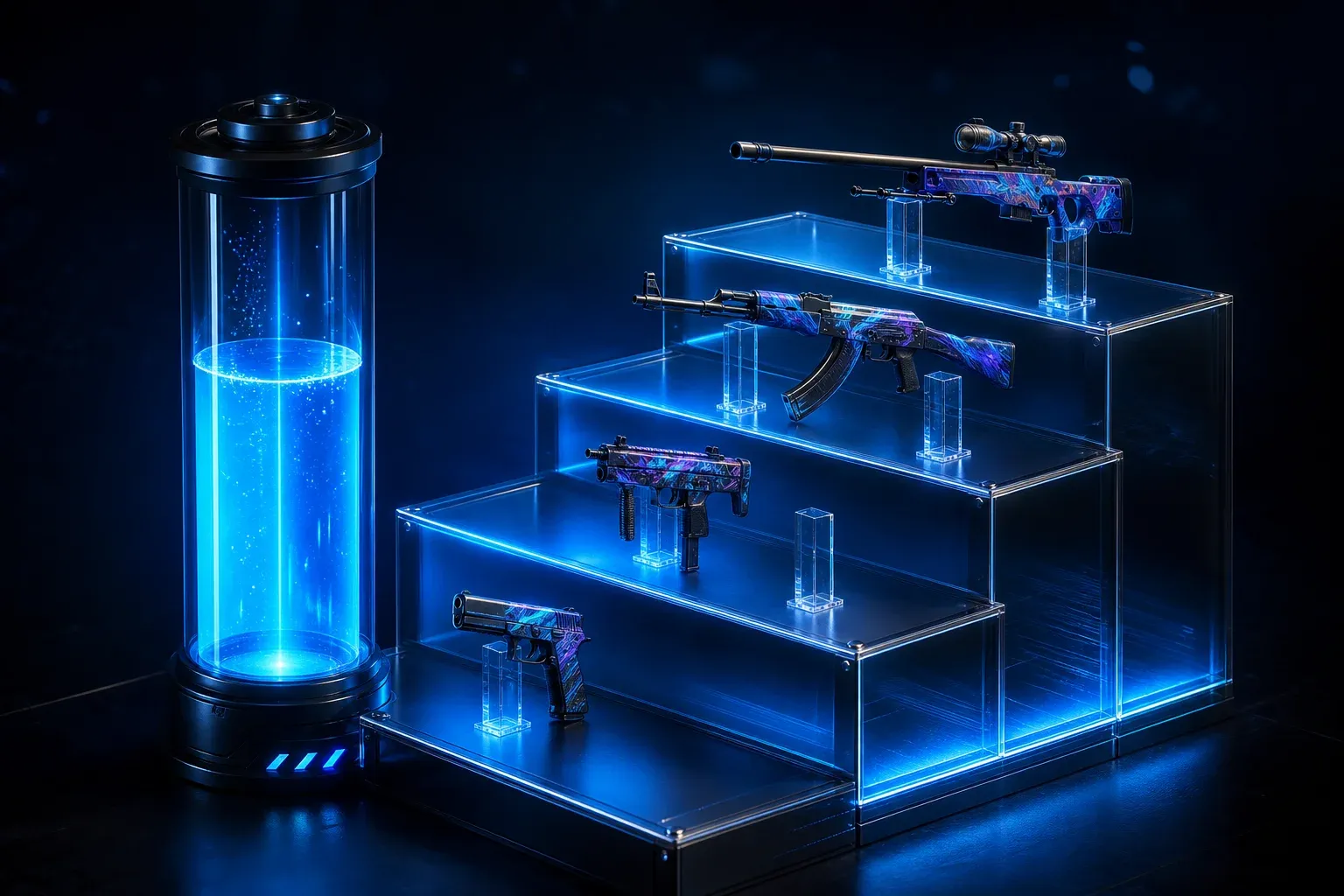
Players customize weapons with "skins"—cosmetic appearances that don't affect gameplay but add aesthetic uniqueness to arsenals. These skins trade on the Steam Community Market, creating a parallel economy where rare items command substantial values. This cosmetic economy adds another layer to player investment and community engagement.
Custom Content and Community Servers
Community-created maps distributed through Steam Workshop provide infinite experiential variety, from aim training facilities to entirely new game modes. Community servers operate modified rulesets, mini-games, and local competitions, continuously enriching the experience beyond official updates. This player-driven content generation maintains CS:GO's relevance and entertainment value year after year.
Legacy and Evolution: The Transition to Counter-Strike 2
Preserving Essence While Modernizing
CS:GO marked a decisive decade in competitive gaming, establishing the tactical FPS template. Its evolution toward Counter-Strike 2 (CS2) represents a major milestone, modernizing the graphics engine to Source 2, implementing volumetric smoke grenade mechanics with dynamic behavior, and refining server tick rates for improved responsiveness. This transition preserves CS:GO's fundamental gameplay while adapting to contemporary technological standards and player expectations.
The Future of Counter-Strike
CS2 recreates iconic maps with enhanced visuals and technical improvements while maintaining the core gameplay that established CS:GO's global success. This transition ensures Counter-Strike's longevity for future decades, inviting new generations to discover this timeless classic while perpetuating its rich competitive history. The promise continues: precision and strategy will remain paramount.
Your Counter-Strike Journey
CS:GO presents a constant challenge merging acute reflexes, elaborate tactics, and essential team coordination. Whether you're a veteran perfecting every gameplay aspect or a newcomer discovering esports' most influential tactical shooter, Counter-Strike's universe opens its doors wide.
Expect intense gameplay hours, victories celebrated with teammates, and defeats that inevitably drive continuous improvement and analysis. Your competitive adventure—rich with adrenaline and strategy—begins now.